US-Iran conflict will have ripple effects on Africa, says Toyin Falola
By Promise Eze
March 2, 2026
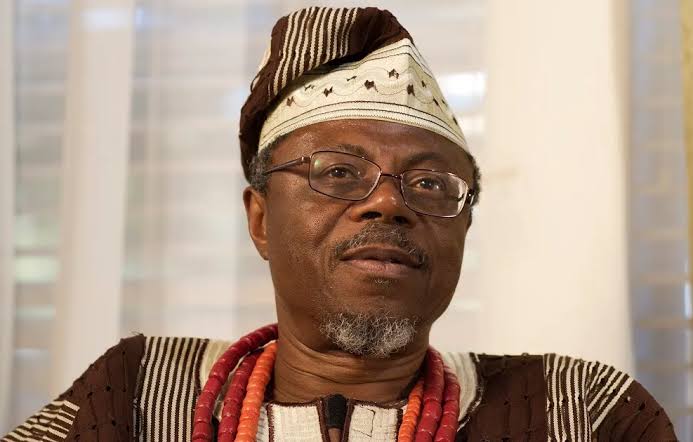
Toyin Falola, a professor of history, has pushed back against claims that Iran poses a direct threat to the United States, warning that any escalation between both countries would inevitably impact Africa.
Falola made the remarks on Saturday during the February edition of ‘Diaspora Dialogues’, a virtual forum themed ‘Being African in Trump’s America in the Age of ICE Raids’. The session was moderated by Osmund Agbo and featured contributions from Farooq Kperogi and Moses Ochonu.
Questioning dominant US narratives, Falola argued that they often gloss over deeper geopolitical realities and overlook how global power struggles shift consequences onto regions such as Africa.
“Iran is not a threat to the US. Donald Trump says he is trying to mobilise Iranian citizens to overthrow their government, forgetting that no matter how much you dislike your government, once an imperialist force intervenes, people tend to rally around that same regime,” he said.
He maintained that history shows foreign aggression frequently strengthens internal solidarity rather than weakens governments, adding that Africa cannot afford to treat Middle East tensions as distant crises.
“Whatever your ideological leaning, what is happening is tragic,” Falola said. “This will affect Africa. Anyone who thinks otherwise does not understand geopolitics. Iran’s position in its region is closely linked to Africa. Dubai is a hub and has shut its airport following the attack on Iran.”
Falola noted that disruptions in key global hubs could quickly trigger economic, security and travel shocks across African countries that depend heavily on trade routes, remittances and international mobility. He also warned of possible sectarian implications.
“We do not know how Muslim populations will react. Some may frame it as a Shiite versus Sunni issue. Hezbollah has already indicated it may get involved,” he said.
While rising tensions could push up global oil prices and potentially increase Nigeria’s revenue, Falola cautioned that higher earnings alone would not guarantee development without meaningful reforms.
According to him, financial windfalls without structural change often fail to translate into real progress and may worsen inflationary pressures on ordinary citizens.
He concluded that Africa frequently underestimates how deeply it is entangled in global geopolitical dynamics, despite repeatedly bearing the fallout of international conflicts.