
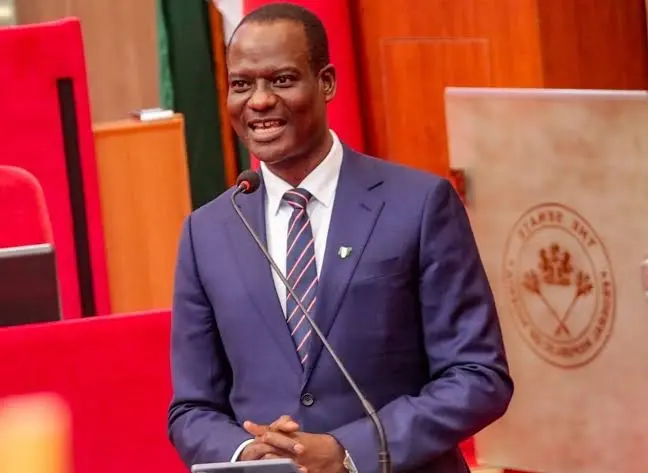
Despite video evidence, Oyedele denies admitting errors in new tax laws
Taiwo Oyedele, minister of state for finance, has denied claims that he admitted to errors in Nigeria’s new tax laws, despite a viral video showing him discussing “problems” identified during the legislative process.
In a statement released on April 10, the fiscal reforms committee said Oyedele acknowledged that mistakes arose due to manual processes and multiple stages of review involved in drafting the laws. The committee added that steps were already underway to address the issues through a proposed finance bill.
However, in a follow-up statement posted on his official X account on Sunday, the committee dismissed reports suggesting the minister had “finally admitted errors” as misleading and a misrepresentation of his remarks.
According to the statement, such reports wrongly claimed Oyedele urged Nigerians to await the outcome of a legislative probe, a process the committee said had already been concluded, with certified gazetted copies published by the National Assembly since January 2026.
The committee described the narrative as distorted and unhelpful, warning that it could mislead the public and undermine the intent of the reforms.
It clarified that Oyedele’s comments were made during a fireside chat at the NBA-SLP conference in Lagos, where he highlighted early gains from the reforms, including increased business registrations and a broader tax base.
He noted that the number of individuals registered for tax purposes had grown from fewer than 10 million before the reforms to over 100 million, while more informal businesses are now registering with the Corporate Affairs Commission.
Oyedele also emphasised that no law is perfect, adding that continuous stakeholder engagement would help identify gaps and inform necessary legislative updates through future finance bills.
In the widely circulated video, however, the minister described the law-making process as prone to inconsistencies due to repeated manual editing across multiple stages.
He said he reviewed several versions of the legislation and noticed discrepancies, including a reduction in the small business threshold from ₦100 million to ₦50 million in an earlier gazetted version.
Oyedele explained that the process involves contributions from various committees, harmonisation between the House of Representatives and Senate, and further reviews by the ministry of justice and the presidency before final publication—stages he said make quality assurance difficult.
He added that while about 90 percent of the identified issues were eventually corrected, not all were resolved before the laws were finalised, stressing the need to address systemic flaws in the legislative process.
The controversy follows an earlier claim by Abdussamad Dasuki, a member of the House of Representatives, who alleged that the versions of the tax laws available to the public differed from those passed by the National Assembly.


