Cleric Admits Receiving Money to Pray Over Alleged Coup Plot, Says He Warned It Would Fail
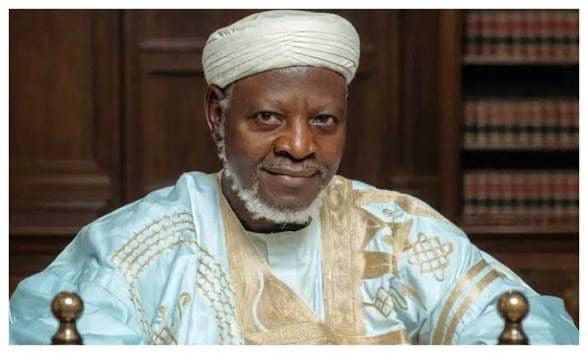
A Kaduna-based Islamic cleric, Sani Abdulkadir, has admitted in court that he received money to pray for the success of an alleged coup plot against President Bola Tinubu’s administration, but claimed he warned those involved that the plan would fail.
Abdulkadir, the sixth defendant in the ongoing trial of suspected coup plotters, made the revelation during proceedings at the Federal High Court in Abuja on Monday.
According to reports by counter-insurgency publication Zagazola Makama, a video recording played in court captured Abdulkadir stating that he had informed the suspects their mission would be sabotaged from within and would ultimately fail.
The cleric said he had known the alleged ringleader, identified as Maaji, for less than a year and was approached through an intermediary, Sanda, to offer spiritual support for the operation.
He explained that Sanda informed him that his “Oga” intended to stage a coup and wanted prayers concerning its success.
After carrying out the prayers, Abdulkadir said he warned them that the operation would collapse because two individuals would eventually expose those involved. He added that the suspects later requested more prayers to stop the two people from speaking out.
The cleric disclosed that money was transferred to him for prayers and charity, while names of alleged participants were sent for inclusion in the prayers.
Abdulkadir said he only became aware of the arrests through media reports after Sanda informed him that Maaji had been unreachable for four days.
He maintained that the money he received was solely for prayers and not to support any coup attempt.
Although he acknowledged understanding that a coup refers to a military overthrow of government, Abdulkadir said he did not report the alleged plot because he did not know who to report it to.
He further told the court that he was arrested after visiting the Economic and Financial Crimes Commission (EFCC) over restrictions placed on his bank account and was later invited to explain the source of the funds.
Abdulkadir denied making any coup-related statement while in EFCC custody under duress, insisting he was neither assaulted nor tortured and that all his statements were made voluntarily.
Following the video presentation, the prosecution sought to tender extrajudicial statements made by all six defendants before a special investigation panel and military police authorities.
However, defence lawyers objected, arguing that the statements were obtained involuntarily and violated provisions of the Administration of Criminal Justice Act (ACJA). They cited issues including failure to inform defendants of their right to legal representation, alleged inconsistencies between video evidence and written statements, as well as claims of coercion and torture.
Counsel to the fifth defendant also argued that separate trial-within-trial proceedings should be conducted for each disputed statement due to the number of defendants involved.
In response, the prosecution urged the court to reject the objections, insisting that the law does not require separate proceedings and that the trial judge has discretion on how evidence is admitted.
Presiding judge Joyce Abdulmalik ruled in favour of a joint trial-within-trial to determine the voluntariness and admissibility of the disputed statements. The matter was adjourned to May 12.
The Federal Government had on April 22 arraigned six suspects on a 13-count charge related to alleged terrorism and a plot to overthrow President Tinubu. All defendants pleaded not guilty.
Those charged include Mohammed Gana, retired Navy Captain Erasmus Ochegobia Victor, police inspector Ahmed Ibrahim, Zekeri Umoru, Bukar Kashim Goni and Sani Abdulkadir.
Former Bayelsa State governor Timipre Sylva was also mentioned in the charge and is reportedly at large. The defendants face accusations bordering on treason, terrorism and waging war against Nigeria.