Iran launches attacks on Israel, Gulf states as oil prices fluctuate
Iran carried out a series of attacks against Israel and several Gulf countries on Wednesday, including a strike targeting a Saudi oil facility, while reports that global oil reserves may be released helped ease pressure on markets and stabilise prices.
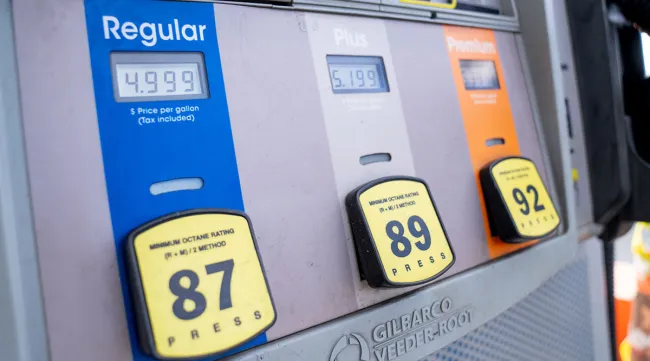
The conflict, triggered by joint United States and Israeli strikes on Iran, has rapidly expanded across the Middle East and beyond. The escalation has led to rising energy costs, fuel rationing in some countries, and temporary school closures in affected areas.
Leaders of the Group of Seven are scheduled to hold a virtual meeting later on Wednesday to discuss the economic implications of the conflict, especially its impact on global energy supplies. Meanwhile, the International Energy Agency is expected to consider releasing what could become the largest emergency stockpile of oil ever deployed, according to reports.
On Tuesday, the United States said it had targeted Iranian vessels suspected of preparing to deploy mines in the Strait of Hormuz, a critical route through which about one fifth of the world’s oil supply passes. The waterway has effectively been shut due to threats from Iran.
The US military released footage showing Iranian boats being destroyed, stating that 16 minelaying vessels were eliminated near the strategic strait.
US President Donald Trump warned on social media that if mines were placed and not quickly removed, Iran would face severe military consequences.
The surge in oil prices has created political pressure for Trump ahead of upcoming US elections. Oil prices initially jumped by about five percent on Tuesday but later declined following reports of a possible emergency oil reserve release.
Trump also indicated that US forces could escort oil tankers passing through the Strait of Hormuz, although the administration later clarified that an earlier statement suggesting such escorts had already begun was inaccurate.
Early Wednesday, the United Kingdom Maritime Trade Operations agency reported that a container ship off the coast of the United Arab Emirates had been struck by an unidentified projectile, highlighting the continuing dangers to shipping in the region.
Despite market concerns, Trump earlier suggested that the conflict would be short lived. However, US Defence Secretary Pete Hegseth warned that Iran would face unprecedented military action.
Iran rejects ceasefire calls
Iran has stated it is not interested in a ceasefire. The latest escalation followed weeks after Iranian authorities suppressed large scale protests at home, although both the United States and Israel said regime change in Tehran was not necessarily their objective.
Iranian police also warned that any internal protests during the war would be treated as hostile actions.
The country’s police chief, Ahmad Reza Radan, said security forces were prepared to defend the government and its revolution.
Tehran intensified its military response by launching what it described as its heaviest missile barrage yet, firing missiles for three hours at cities across Israel.
Air raid sirens and explosions were reported in Jerusalem, while Israeli emergency services said there were no immediate casualties. Some injuries were later reported in Tel Aviv.
Iran’s Revolutionary Guards also claimed responsibility for attacks on Bahrain and Iraqi Kurdistan, both locations with significant US military presence. Iranian media further reported that a US air base in Kuwait was targeted.
Kuwaiti authorities said they intercepted eight drones.
Saudi Arabia’s defence ministry also confirmed that several drones heading towards the Shaybah oilfield were intercepted.
Iranian parliament speaker Mohammad Bagher Ghalibaf said in a message posted on X that the country was not seeking a ceasefire.
He stated that Iran believed the aggressor must be punished to deter future attacks.
According to the Pentagon, seven US service members have been killed and around 140 injured since the conflict began.
Rising casualties and regional spillover
The war began on February 28 when US and Israeli forces launched an attack that killed Iran’s supreme leader, Ayatollah Ali Khamenei. His son, Mojtaba Khamenei, has since been named as his successor but has not yet appeared publicly.
Residents in Tehran described fear and anxiety amid ongoing bombardments. A woman in her 40s said the explosions were deeply disturbing, although she believed most strikes were not targeting residential buildings.
Iran’s health ministry reported on March 8 that more than 1,200 people had been killed and over 10,000 civilians injured since the conflict began.
The conflict has also extended beyond the Middle East. In Sri Lanka, US forces reportedly torpedoed an Iranian vessel, while Australia announced it had granted asylum to two members of the Iranian women’s football team.
Iraq and Lebanon have become key battlegrounds due to the presence of Iran aligned armed groups.
In Iraq, militias linked to Iran said five of their fighters were killed in strikes they blamed on the United States.
In Lebanon, hundreds of people have died and hundreds of thousands have been displaced following Israeli air strikes and ground operations against Hezbollah.
Fresh Israeli air strikes were reported in Beirut’s southern suburbs on Wednesday. Lebanon’s health ministry said at least five people were killed in the southern town of Qana.
Another strike reportedly hit a central Beirut neighbourhood earlier in the day.
Iran has also complained to the United Nations after four of its diplomats were killed in an air strike on a seafront hotel in Beirut. Israel said the strike targeted senior commanders from Iran’s Revolutionary Guards.
Global economic concerns are mounting as the conflict continues. The United Nations trade and development agency has warned that rising fuel and food prices could severely affect vulnerable populations worldwide.
In Egypt, where fuel prices have increased by up to 30 percent, residents expressed worries about how they would cope with the rising cost of living. One Cairo market trader said many families were already struggling before the latest increases.