Senate panel, SEDC management clash over N16.6bn allocation, N153m office expense
The Senate Committee on the South East Development Commission (SEDC) and the management of the agency on Tuesday disagreed over the utilisation of the N16.6 billion released to the commission by the federal government.
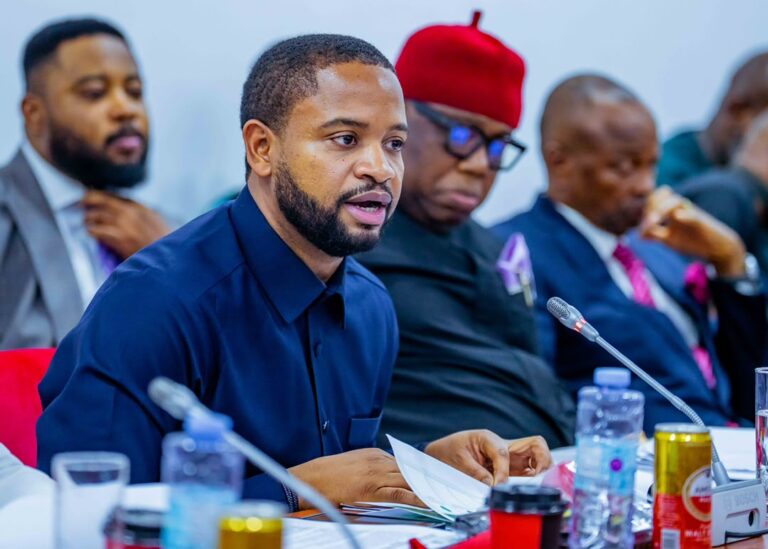
The disagreement occurred during an investigative hearing convened by the committee, chaired by Orji Kalu.
Lawmakers raised concerns over several expenditure items contained in the commission’s financial report, including N153 million spent on an Abuja liaison office and N2.5 billion listed as “implied expenditure”.
The committee’s scrutiny followed a review of financial records presented by Mark Okoye and other senior officials of the commission.
Kalu said information available to the committee showed that only N13 billion remained from the N16.6 billion released to the commission in December 2025, suggesting that about N3.6 billion had already been spent.
Describing the financial report as unacceptable, the committee chairman questioned the N153 million expenditure on the Abuja office.
“This committee is disappointed with the financial report given, which is completely unacceptable,” Kalu said.
“You have one little office here in Abuja and you paid N153 million for it. This committee knows.”
Other members of the committee, including Enyinnaya Abaribe, Victor Umeh and Austin Akobundu, also faulted aspects of the report and demanded further clarification on the expenditures.
In response, Okoye defended the commission’s spending, insisting that all expenditures were lawful and geared toward priority projects and institutional development.
According to him, the commission had adopted a cautious approach to contract awards by ensuring that projects were backed by available funds rather than budgetary provisions alone.
“Our approach has been to ensure that available resources are directed towards priority projects,” he said.
“We want allocations to guide the procurement process so that contracts awarded can be backed by available funding. What we want to avoid is a situation where contracts are awarded without the financial capacity to execute them.”
Okoye explained that budgetary allocations do not necessarily translate into cash releases, warning that awarding contracts beyond available funds could create unfunded liabilities and financial deficits.
However, the committee rejected the explanation and directed the commission to submit comprehensive documentation detailing its expenditures.
Kalu ordered the agency to provide the documents by June 23, after which the committee would determine a date for its next appearance before the panel.