Oyedele warns against new taxes, says vulnerable Nigerians need protection
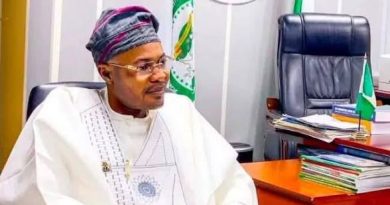
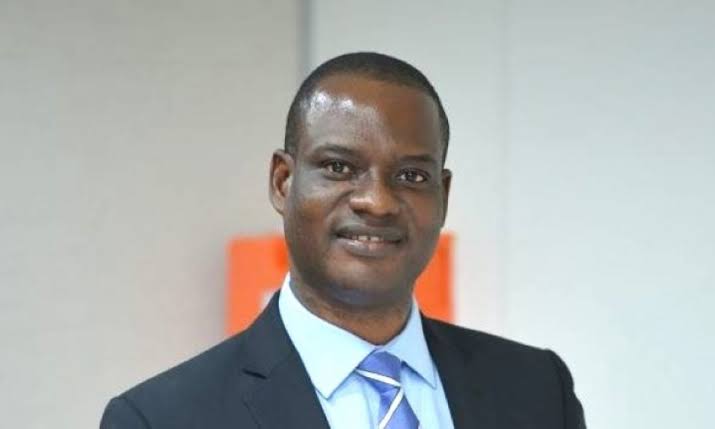
Minister of Finance and Coordinating Minister of the Economy, Taiwo Oyedele, has cautioned governments against imposing new taxes or increasing the tax burden on vulnerable populations and productive sectors of the economy.
Oyedele said governments should focus on identifying areas of savings and improving revenue mobilisation without placing additional financial pressure on citizens and businesses.
He made the remarks on the sidelines of the 2026 annual meetings of the International Monetary Fund and the World Bank in Bangkok, Thailand, where he presented the communiqué of the Intergovernmental Group of Twenty-Four (G24).
The minister, who chairs the G24, was responding to questions on how developing countries could reduce debt-servicing costs without cutting essential public spending.
“This is the wrong time to impose new taxes or increase the burden of tax, particularly on the vulnerable population and productive sectors of the economy,” he said.
Oyedele said governments should look inward to identify opportunities for cost savings and strengthen revenue generation while protecting people who are already struggling with financial pressures.
He also stressed that borrowing remains necessary to support economic growth but must be directed towards investments that create jobs and promote inclusive development.
“Borrowing and debt financing is a necessary condition for growth, and every country emerging, developing must be able to apply debt financing in a way that is overall of positive impact, particularly to stimulate job-rich and inclusive growth,” he said.
The minister further called for a strategic approach to public financing, noting that limited government resources should be prioritised for essential services such as healthcare and education, while private capital could help meet other investment needs.
On the relationship between taxation and borrowing, Oyedele said governments must carefully balance both options, considering their implications for citizens and the economy.
He warned that excessive taxation of vulnerable people could leave them with insufficient resources to meet basic needs, including food, healthcare and education.
“If you collect taxes, you raise the money now, and that itself has a lot of trade-offs. What taxes are you collecting? You collect taxes from the most vulnerable, and this will deprive them of money to provide food, health, education,” he said.
According to the minister, borrowing also carries future obligations because debt must eventually be repaid through public revenue.
“Debt is future taxes, so it’s not one or the other. It’s to strike a balance, bearing in mind ultimately that the essence of tax and of debts is to cater for the people,” he added.