Shoprite to reopen with standalone neighbourhood stores amid restructuring
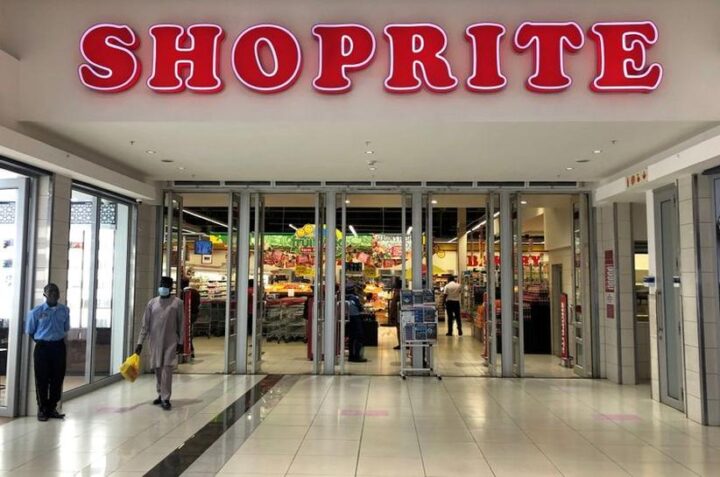
Shoprite Nigeria is planning to reopen more outlets through standalone neighbourhood stores as part of efforts to reduce costs and revive its business.
Adekunle Adebiyi, executive director of investments at MBO Capital Management Limited, disclosed this in an interview on Nairametrics’ Drinks and Mics, where he discussed the retailer’s financial challenges and recovery plans.
Adebiyi said three Shoprite stores had reopened following a temporary shutdown to negotiate with suppliers and address outstanding financial obligations.
“We took a very, very drastic decision to just shut everything down whilst we negotiated with suppliers. Now three stores are back open,” he said.
He explained that the company would shift its focus towards smaller neighbourhood outlets rather than relying primarily on large shopping malls.
“We’re going to be opening standalone neighbourhood stores, which was always the plan,” Adebiyi said.
According to him, the strategy would enable Shoprite to concentrate on supermarket operations without committing significant capital to property development.
He noted that supermarkets typically lease commercial properties and invest in operational equipment such as shelves and refrigeration systems rather than purchase buildings.
However, Adebiyi said the business model posed financing challenges because Nigerian banks generally prefer lending to companies with tangible assets that can serve as collateral.
He said MBO Capital encountered difficulties securing bank financing during the acquisition of Shoprite Nigeria because lenders struggled to identify sufficient assets to back the credit, despite the retailer generating billions of naira in revenue.
The investors subsequently turned to alternative funding arrangements to complete the acquisition.
Forex pressures, operating costs weigh on Shoprite
Adebiyi identified foreign exchange volatility as a major factor contributing to Shoprite Nigeria’s financial difficulties.
He said about 17 of the company’s 28 stores had dollar-denominated rental agreements when the investors acquired the business, exposing it to rising rental costs following the depreciation of the naira.
According to him, rent should typically account for between eight and 10 per cent of a supermarket’s revenue, but some Shoprite outlets faced significantly higher rental expenses.
He also identified operational challenges, including inventory management problems and the loss of access to the enterprise resource planning system previously provided by the retailer’s former parent company.
Adebiyi said replacing the system required additional investment running into billions of naira, diverting funds that could have been used to support other areas of the business.
In August 2020, Shoprite Holdings, the South African retailer that introduced the chain to Nigeria, announced plans to exit the Nigerian market after reporting a sustained decline in sales.
MBO Capital, alongside co-investors led by Persianas Investment Limited, acquired the local operations through Ketron Investment Limited on May 31, 2021.
The Nigerian franchise is operated by Retail Supermarkets Nigeria Limited.
Since the acquisition, the business has faced operational difficulties that have led to the closure of some outlets, including stores in Abuja and Kano.
In December 2025, TheCable reported that the Lagos State Internal Revenue Service sealed Shoprite’s outlet at Ikeja City Mall over alleged non-compliance with tax obligations.
In March 2026, Retail Supermarkets Nigeria Limited dismissed reports of a nationwide shutdown, announcing plans to open outlets at The Palms Shopping Mall in Oniru and Circle Mall in Jakande, Lagos.
The company described the planned openings as part of its restructuring programme to improve operations and strengthen the business.