Sule Lamido Laments Nigeria’s Political Direction Ahead of 2027
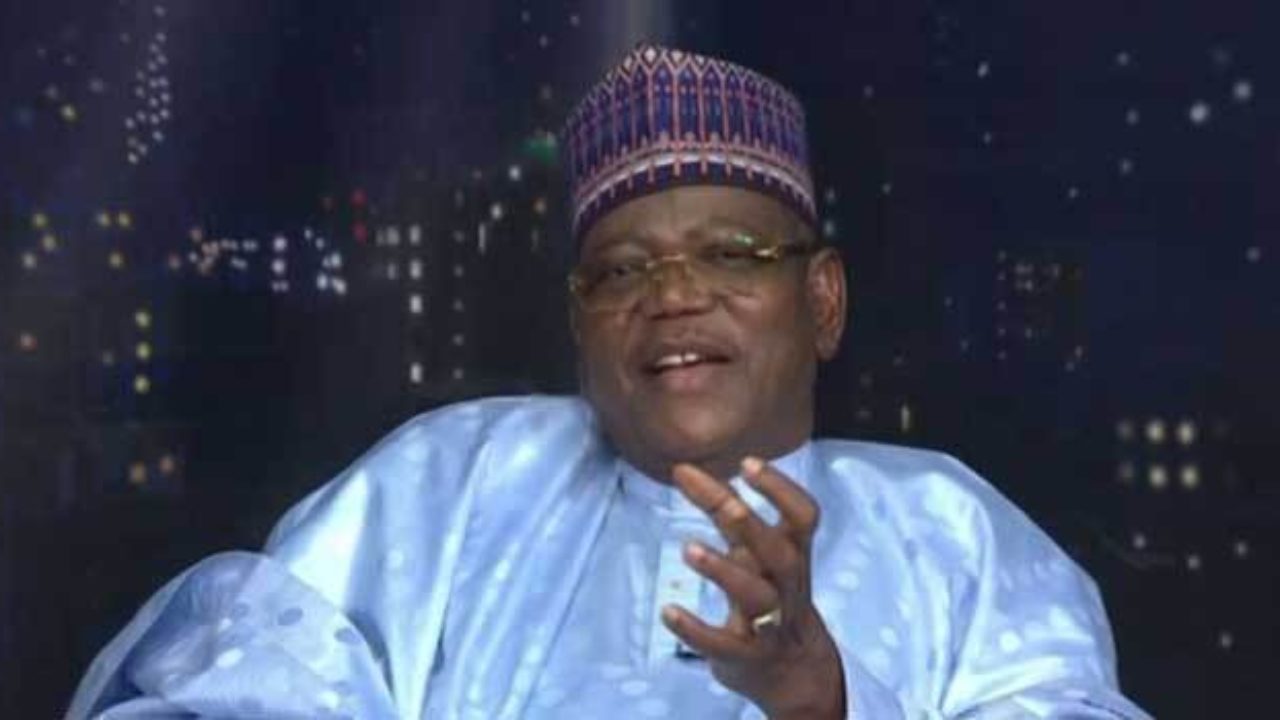
Former Jigawa State governor, Sule Lamido, has expressed concern over Nigeria’s political trajectory, saying the country appears to have lost direction nearly three decades after returning to democratic rule.
In a statement shared on Facebook on Wednesday and titled “My Dilemma in Today’s Murky Political Environment,” Lamido said he was struggling to understand the country’s current political climate as political realignments intensify ahead of the 2027 elections.
The former governor noted that many politicians now in opposition parties and the ruling All Progressives Congress (APC) rose to prominence through the platform of the Peoples Democratic Party (PDP).
Reflecting on Nigeria’s democratic journey since 1999, Lamido said politicians at the time united to address the political crisis triggered by the annulment of the June 12 presidential election.
He listed several former PDP members who now belong to other political parties, including Senate President Godswill Akpabio, Secretary to the Government of the Federation George Akume, former APC national chairman Abdullahi Adamu, and former Delta governor Ifeanyi Okowa, whom he said is supporting President Tinubu’s re-election bid.
Lamido also mentioned figures across other parties, including former Vice President Atiku Abubakar, former Rivers governor Rotimi Amaechi, former Sokoto governor Aminu Tambuwal, and former Anambra governor Peter Obi.
According to him, the PDP played a foundational role in shaping the political careers of many current leaders.
“All those mentioned in the above parties were created and nurtured by the PDP. Whatever positions or recognition they enjoy today came through the PDP,” he said.
Lamido added that after the return to civilian rule in 1999, political leaders rebuilt trust, stabilized governance, advanced development efforts, and strengthened Nigeria’s standing within West Africa and the international community.
Questioning the country’s current state, he said: “We knew where we were in 1999. Do we know where we are today, twenty-seven years after?”